

Our Programs
Jump to: Community Programs · Reentry Programs · Resources
Our restorative justice programs allow for direct community involvement in the resolution of criminal offenses.
Restorative practices help to develop community and manage conflict and tension through repairing harm and restoring relationships, with the safety of harmed parties in mind.
This begins with proactively building community so that when conflict arises, the individuals involved have already developed some trust and feel connected to one another. Instead of asking questions like “What rule was broken?” and “What is the punishment?”, participants in a restorative process ask “What happened?”, “Who was harmed and/or impacted?”, and “What needs to be done to make things as right as possible?”
Restorative practices dig into what people were thinking and feeling when an incident occurred, and what emotions and needs might be underlying their behavior. Essential to the use of restorative practices is restorative communication. Restorative communication involves listening empathetically to what everyone in the circle is saying, and actively trying to understand their perspective. It also involves using “I” statements to describe how you are feeling and how you understood a situation, and asking restorative questions like the ones above.
Community Programs
-
Reparative Panels are facilitated by the panel coordinator and include trained volunteers who serve as representatives of the greater community. Those responsible for a crime reflect on the harm done and the needs of those impacted. They work to make amends and build a positive connection with their community. The panel can also connect participants to community resources to provide support and address the root causes of harmful behavior. Ideally, the participant can leave the reparative process with confidence that they will not reoffend.
Victims and people directly affected by a crime are invited to participate in the reparative process. They have the opportunity to articulate their needs, ask questions, seek restorative actions, and receive support from their community.
Each reparative panel participant attends multiple meetings over several months for 45 minutes to 1 hour each. Between meetings, the participant checks in with the panel coordinator and completes reflections or specific tasks that build accountability and make amends for harm done. Cases can be referred by the Court, Probation and Parole, and the State’s Attorney.
-
Pre-Charge Diversion is for people who have committed low-level offenses. Offenders are given the opportunity to participate in a restorative justice process and have charges dismissed upon successful completion. The program is voluntary, with the incentive to participate being that the program replaces prosecution and fines. Offenders actively participate in the process to learn about the impacts of their actions on others and are given the opportunity to take responsibility for their actions and make amends. Victims/affected parties are given the opportunity to express their feelings and thoughts regarding the incident and have input in the outcome of the process. Cases can be referred by police departments and schools.
Offenders meet with the program coordinator in restorative conference meetings or panels over a two- to four-month period. Offenders and affected parties may also be connected to appropriate services and resources.
Our Pre-Charge Diversion Program is funded by the Attorney General’s Office and is provided through partnerships with Valley Court Diversion Programs (in Windsor County) and Interaction (in Windham County).
-
Victim Support Services offer a victim-centered approach to those impacted by crime. All engagement is voluntary and tailored to the victim’s needs, whether they choose to write an impact statement, participate in a restorative circle (with or without the offender), share their needs by phone, or simply choose not to engage. Our dedicated staff and volunteers are here to ensure every victim feels safe and empowered and that their voice is heard.
-
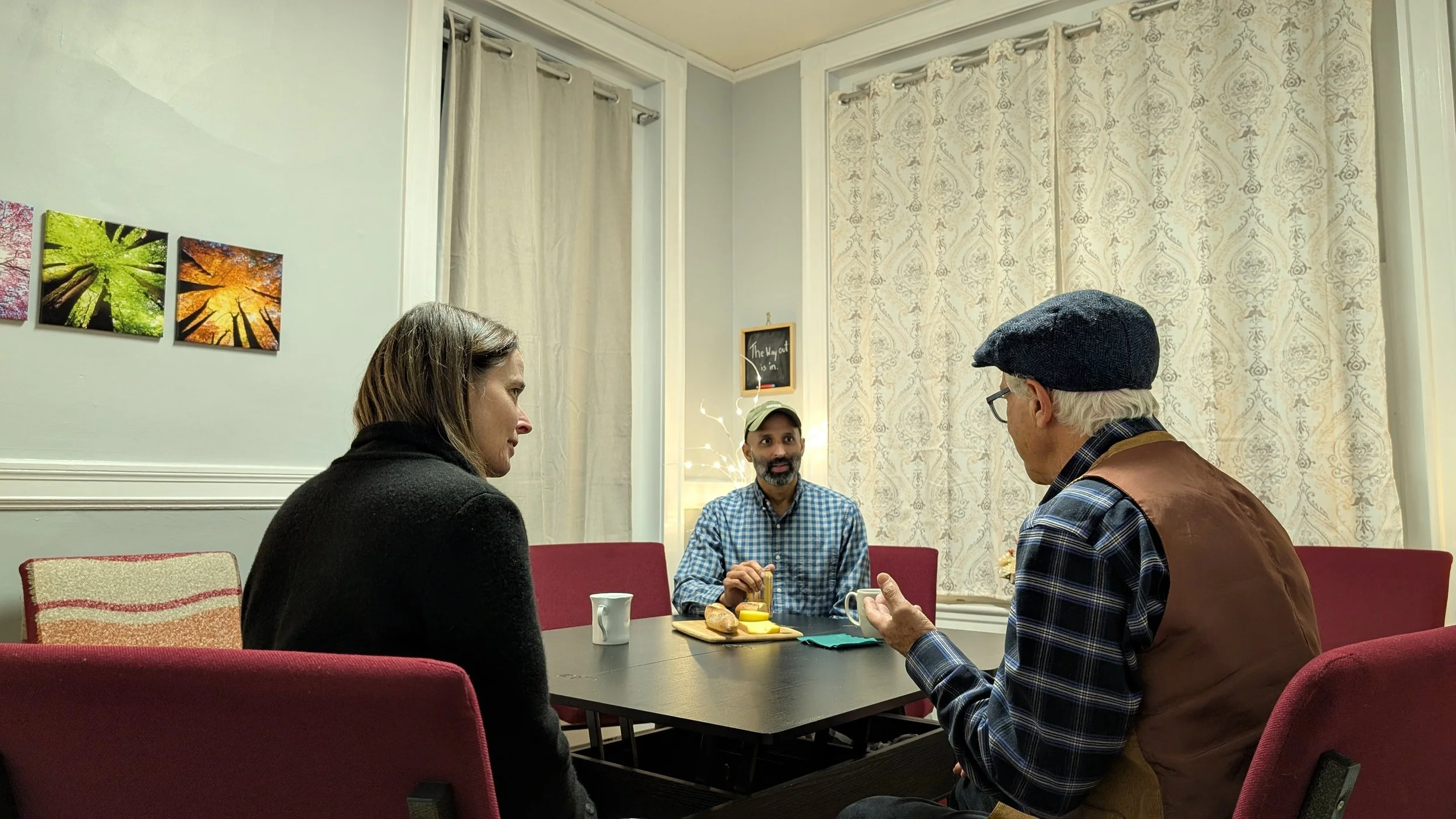
Community Support is for community members who need support resolving conflicts, having difficult conversations, or building community. This would usually take place in a restorative circle facilitated by GFCJC staff.
-
Restorative Practices in Schools Trainings are offered to staff and students in area schools to help them build healthy, inclusive communities and respond productively to disciplinary infractions and conflict. Our trainings cover key concepts in the use of restorative practices, restorative communication, and harm repair.
There are three tiers of restorative practices:
Tier 1 is community building, primarily through the use of circles. Community building circles familiarize students with the circle process. Tier 1 also includes restorative communication through empathetic listening and asking restorative questions.
Tier 2 is the use of circles for harm repair. This can be used as an approach to a disciplinary infraction or any situation where someone feels they were harmed by another’s actions. The goals of these circles are: 1) to facilitate communication and foster understanding between individuals in conflict, 2) to identify feelings and needs, and 3) to reach an agreement about what will be done to make things as right as possible.
Tier 3 is reentry. Reentry circles are used to welcome back students who have missed time due to suspension, truancy, or expulsion. These circles are used to hold the student accountable, support the student’s needs, and create a plan for moving forward.
We facilitate student leadership training in restorative practices at the Bellows Falls Middle School and Bellows Falls Union High School. Restorative Practices Student Leadership groups meet on a weekly basis and lead community building and harm repair circles in their schools.
-
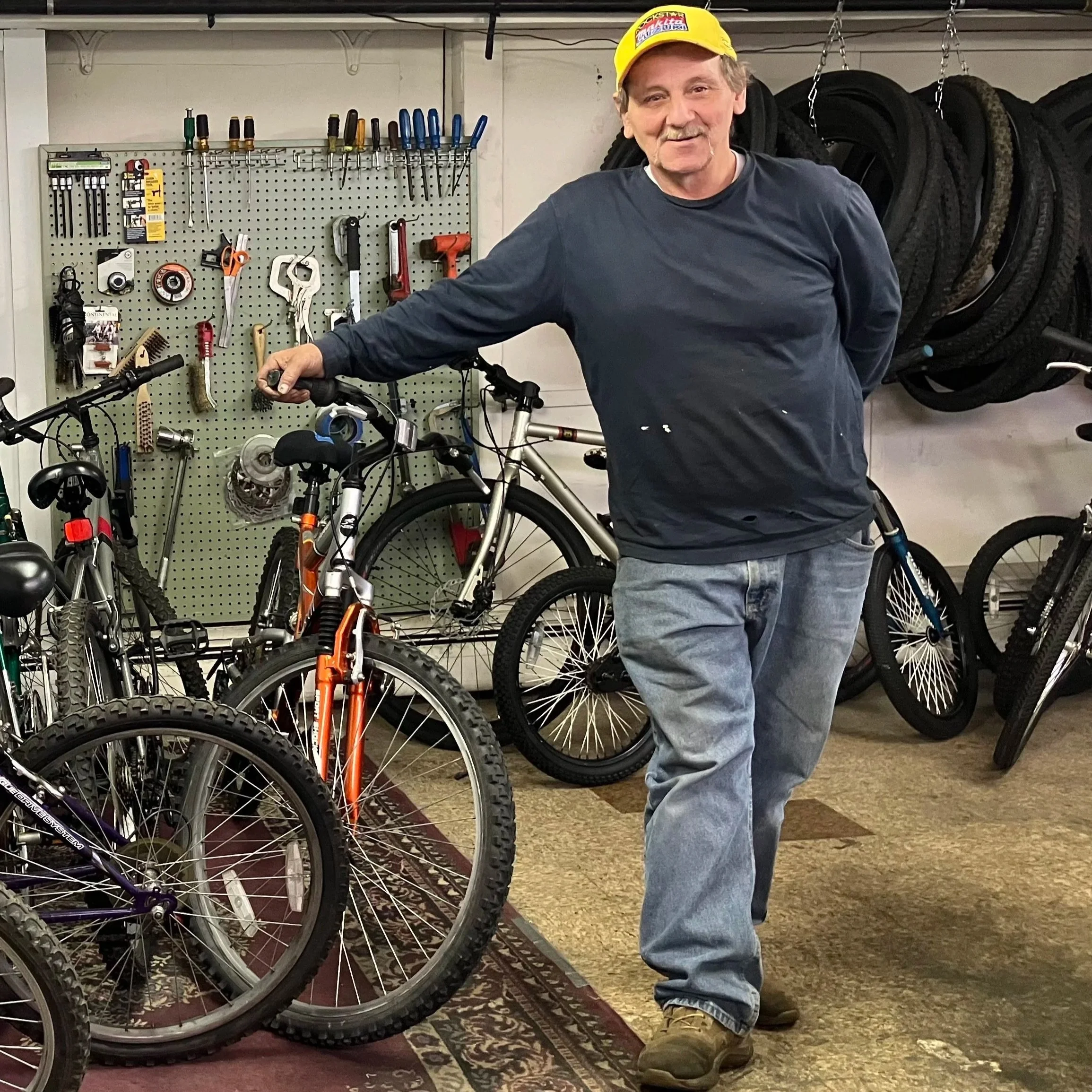
Restorative Spokes is a nonprofit bicycle repair shop in Springfield, Vermont, that also provides restored bikes for purchase (at a suggested donation price). You can also donate volunteer time in exchange for a bike.
Restorative Spokes is located in the basement of 56 Main Street in Springfield, Vermont (stairs near the alley).
Reentry Programs
-
Circles of Support and Accountability (COSAs) help individuals reenter the community from incarceration safely and productively to ensure there are no more victims. COSAs consist of a reentering “core member,” our reentry coordinator, and two to three community volunteers, who meet once a week for a year or longer. The program helps core members to hold themselves accountable and to make amends.
Circle members check in with the core member about their reentry process and problem-solve any issues that have come up in the past week, seeking to steer clear of behaviors that led them to offend. Circles may focus on meeting the basic needs of the core member, such as housing, employment, and access to social services.
“Coming Home” is a documentary that follows five core members in Vermont as they navigate the challenges of rebuilding their lives on the outside. The film provides an in-depth look at the COSA process and the successes and setbacks that happen along the way. Watch the video (password: cosa)
Based on the COSA model but shorter, Reentry Circles meet with individuals twice monthly for two to six months to help them establish and follow through on reintegration goals.
Referrals for both COSAs and Reentry Circles come from the DOC (correctional facility caseworkers or Probation and Parole).
-
Resource Navigation connects individuals to the resources they need to safely and productively reintegrate into the community. The program provides accountability, resource assistance, and life-skills programs. Referrals come from DOC or from community members, pending DOC approval.
-
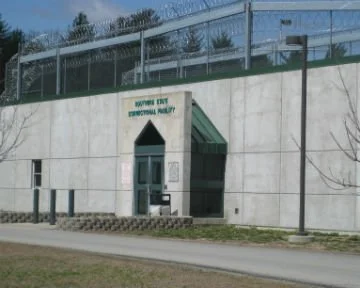
GFCJC offers circles at Southern State Correctional Facility (SSCF) that support incarcerated men in gaining a better understanding of the complex issues that have led them to incarceration and help them to learn new skills so that they can be more responsible, caring, productive members of their communities when they return.
Trauma-Informed Grief Circles help men learn grief literacy, grief processing strategies, and empathic sharing and witnessing through peer support.
Peer Circle Conflict Resolution training is co-facilitated with Interaction in Brattleboro.
Growth Circles for men focus on fathering, healthy masculinity, accountability, and support toward reentry.
Life Skills Circles focus on learning pro-social skills in place of maladaptive trauma-induced behaviors so incarcerated men will be better able to work collaboratively with caseworkers and administrators to get their needs met.
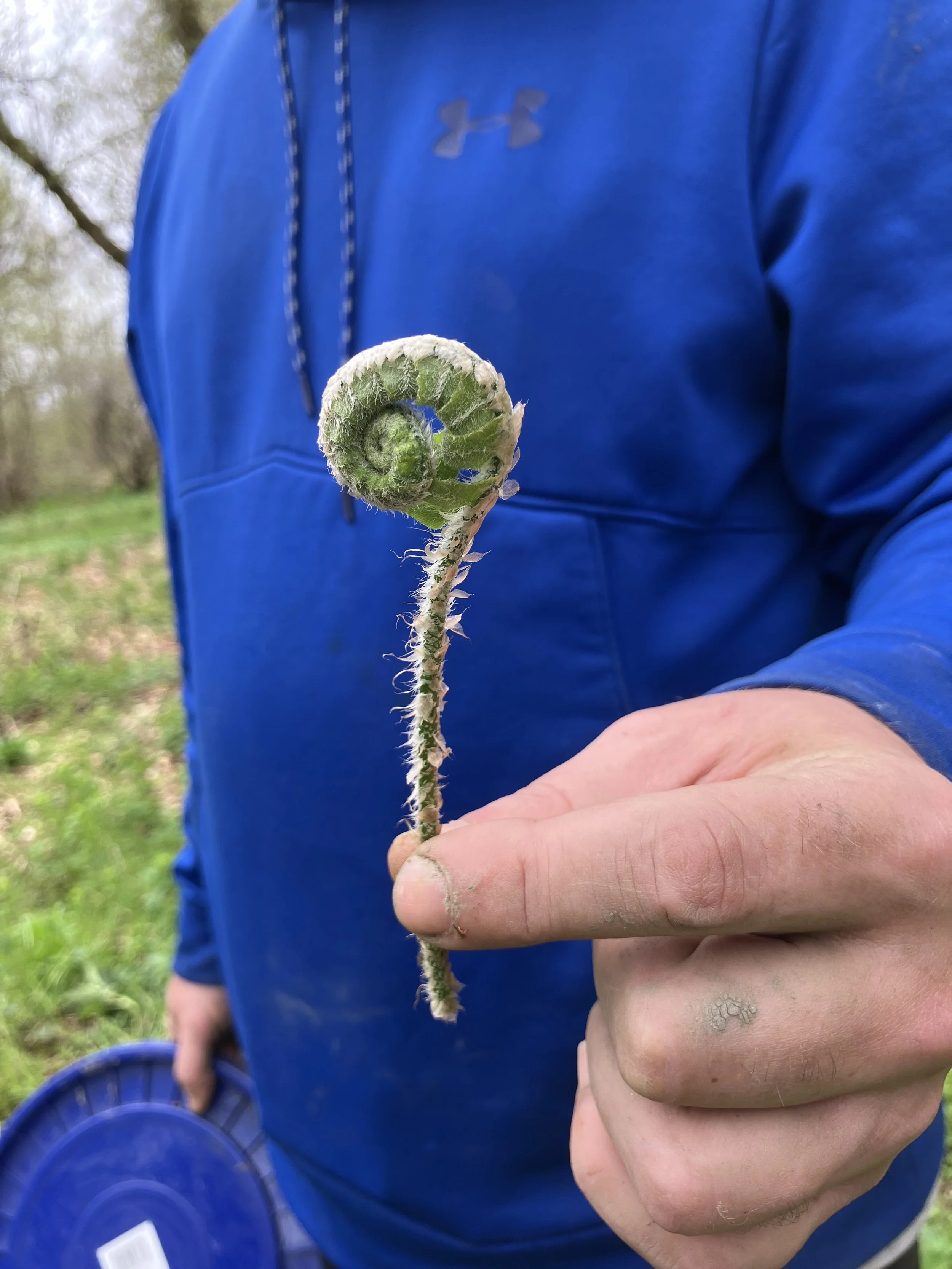
The Garden Project supports SSCF's new garden. Garden boxes have been built and installed by incarcerated men in the carpentry vocational program at SSCF and will be planted in the spring.
-
GFCJC strives to meet the needs of people under DOC supervision, as well as those they have impacted, and can provide other services upon request, such as helping families of incarcerated clients support a successful reintegration.

Get Involved
Become a restorative justice volunteer! Volunteers come from all backgrounds and don’t need any experience. Training is provided and support is ongoing.
Resources
General Resources
Article: Hartford justice center helps people get on their feet after prison, VT Digger, Jan 16, 2026.
Resources for Clients
Download our booklet on resources in Springfield, Bellows Falls, and surrounding communities, including resources for employment, education, food, housing, parenting, domestic/sexual violence, substance abuse, and more.
Resources by Clients
We are proud to share these works by our clients:
Read three stories from formerly incarcerated women in our publication Seeing Through Stigma: Who We Are.
Read a letter written by a client giving advice to people convicted of a DUI.
Listen to an apology from a client in the form of a rap song, written as part of his Reparative Panel process:
Immigration Resources
Download our one-page fact sheet, Know Your Rights: Immigration Encounters
Resources for Teachers
Download our Question Cards for Creating Community Building Circles—by & for Middle School Students
Domestic Violence Resources
In May 2025, Greater Falls Community Justice Center received approval from the Attorney General's Office (AGO) to address domestic violence cases according to Act 11 requirements. You can read our AGO Memorandum of Understanding with the Women’s Freedom Center (WFC) and Taking Responsibility Domestic Violence Accountability Program (DVAP) here.
Other domestic violence resources:
6 Steps for Men to Prevent Domestic Violence (our one-page fact sheet)
Domestic Violence Dynamics and Issues Facing Men Who Cause Harm (training by Bill Pelz-Walsh, MA)
The Impact of Trauma on Men Who Cause Harm (PowerPoint by Bill Pelz-Walsh, MA, excerpted from above training)
The Motivation of Those Who Cause Harm (PowerPoint by Bill Pelz-Walsh, MA, excerpted from above training)
Voting Resources
Voter registration is available:
Online at vote.vermont.gov
In-person at your town clerk's office
By mailing this form to your town clerk
Learn more on the Vermont Secretary of State’s Voter Registration page.
All first-time voters must take the Voter's Oath when registering to vote. If you are registering to vote for the first time in Vermont by mail or online, you must include an acceptable form of ID. This could be a driver's license, passport, current utility bill or bank statement, or another government document.
If you are homeless, you can register to vote at the town clerk's office of the town you consider to be your principal residence.
Convicted and incarcerated felons CAN vote in the State of Vermont.
