Jump to: What is Restorative Justice? · Our Staff · Our Board
About Us
Our Mission:
Addressing conflict and crime by promoting shared responsibility for a safe and healthy community, the Greater Falls Community Justice Center engages citizens to restore relationships, repair past harms, and build community connections through education and involvement.

What is Restorative Justice?
Restorative justice is a victim-focused, community-based approach for responding to crime that focuses on the harm that was caused and what needs to happen to make things better. The goal is to build understanding, encourage accountability, and provide an opportunity for healing.
How is restorative justice different from traditional criminal justice?
Restorative justice addresses the people harmed and the community affected in a criminal act, in order to facilitate the mending of these relationships and prevent further harm.
How does restorative justice work?
A person is typically referred to a community justice center for restorative justice by someone in the criminal justice system: the police, the State’s Attorney, or the Court. Structured dialogue invites affected parties to define the harm and ask for what they need. It leads to accountability and amends-making by the person who committed the offense.
A person may complete a restorative justice program as an alternative to being charged with a crime or being prosecuted. If the offender is referred and does not complete the restorative justice program, they will be sent back and held accountable for the offense by the criminal justice system. A referral to a restorative justice program may also take place after a conviction.
Who is using restorative justice processes?
Restorative justice is becoming a widely accepted practice throughout the country—by educators in schools and by law enforcement and the courts as an alternative or enhancement to traditional criminal justice. In local communities, those most directly affected by wrongdoing have a role in determining the best way to repair the harm. Attorneys can promote restorative options to increase accountability, helping victims heal and helping responsible parties make amends and better choices.
Restorative justice is a practical option for communities seeking ways to reduce costs and enhance safety and well-being.
Our Staff





Our Board
-

Meg Mott, Chair
-

Matt Alden, Vice Chair
-

Karen Gautney, Secretary
-

Dennis McIntosh, Treasurer
-

Mark Berman
-
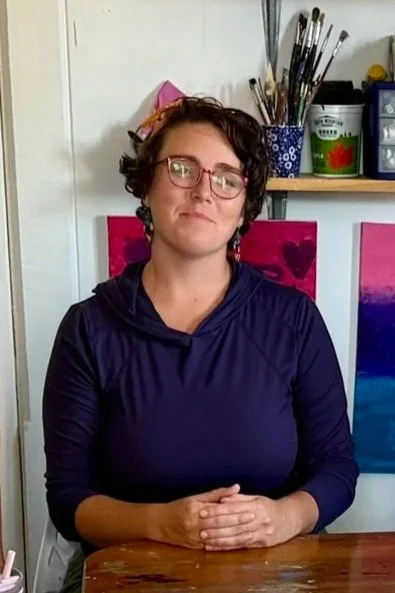
Hailee Galandak-Cochran
-
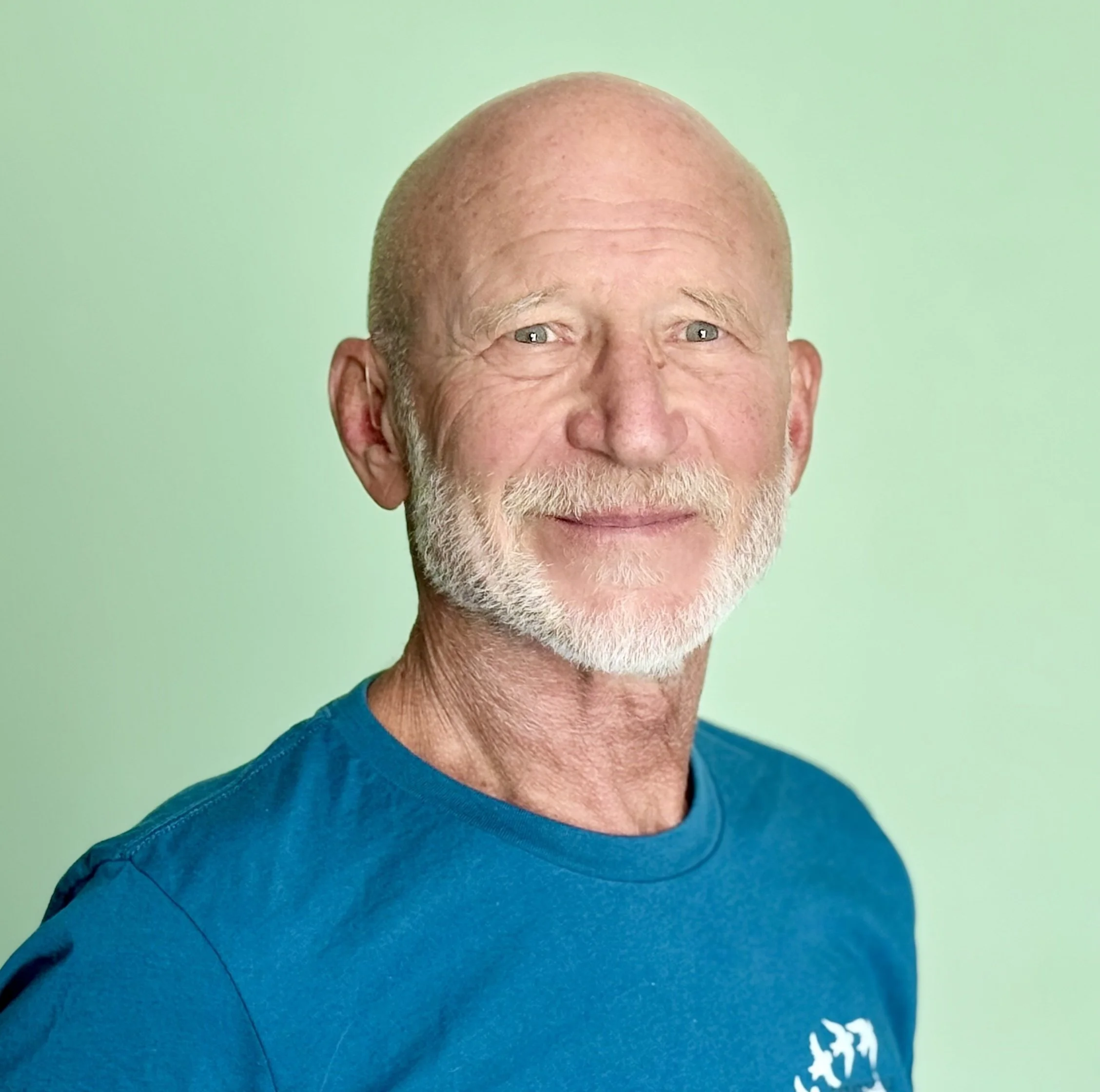
Stephen Matush
-
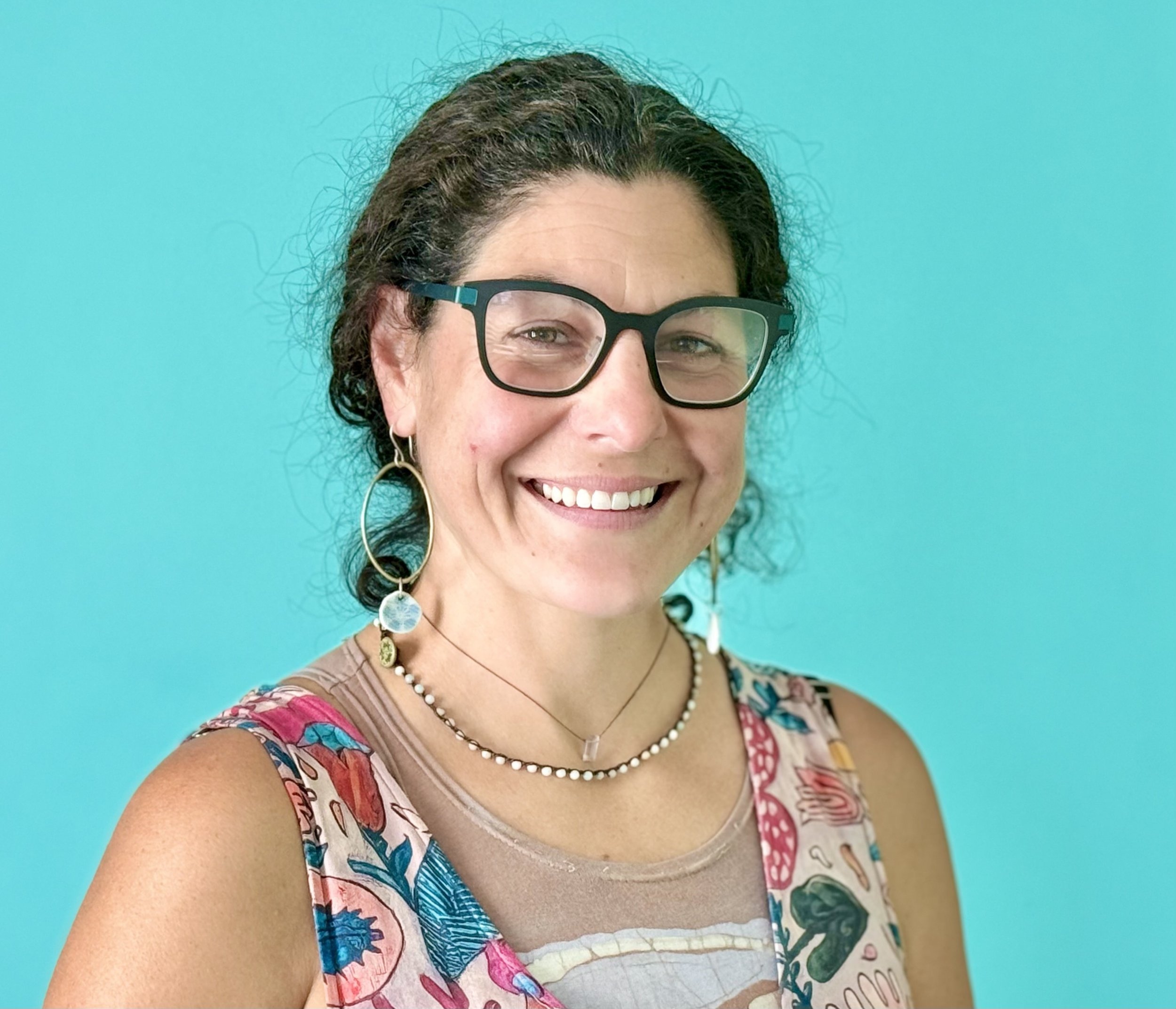
Bianca Fernandez